Protein Powder That Doesn't Cause Bloating: Which Type to Try
Bloated after every shake? Usually it's lactose, a big scoop gulped fast, or the sweeteners and thickeners. Here's how to work out which one, and which of our powders to try first.

Looking for a protein powder that doesn't cause bloating? Start with two changes: the protein type and how you drink it. Lactose is the usual suspect with whey concentrate, so a whey isolate (lower in milk sugars) or a milk-free powder made from egg, beef or plants is the easiest swap. Just as often, though, the culprit is a big scoop gulped fast in too little liquid, or the sweeteners and thickeners in flavoured powders. Below: the common reasons, a table of our five options, which to try first, and three habits to test before buying a new bag.
Why protein shakes can leave you bloated
Lactose
Whey comes from milk, and milk carries lactose. For people whose bodies don't break lactose down well, the US National Institutes of Health (NIDDK) names bloating, gas, stomach pain and diarrhea as typical signs, usually within a few hours. Amount matters: a systematic review in Annals of Internal Medicine found most people with lactose intolerance handled about 12 g of lactose, roughly a cup of milk, with few or no symptoms.
A big serving, fast
A full scoop chugged in ten seconds after a hard session is a lot to land on your stomach at once, and gulping means swallowing air, which can leave you full and burpy on its own.
Sweeteners and thickeners
Most of our flavoured powders use sucralose and xanthan gum (a thickener that gives shakes body). Some people notice more gas with one or both. We haven't found good research on the small amounts in a single scoop, so treat this as something to test on yourself rather than a proven cause.
Too little liquid
A scoop in 150 ml makes a thick, concentrated drink. Our directions call for 250 to 500 ml of liquid per scoop; the top of that range is gentler for many people.
Finding a protein powder that doesn't cause bloating: our five compared
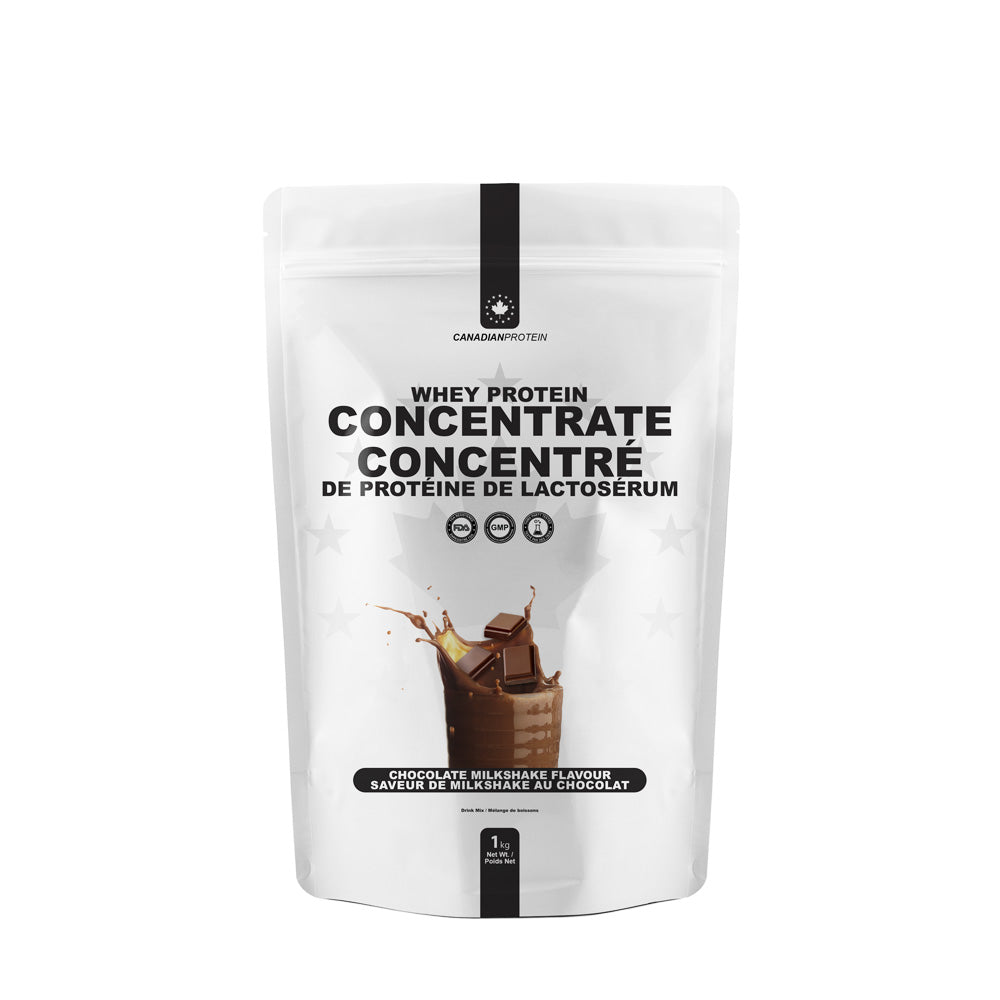
All figures are per serving for the Unflavoured & Unsweetened version of each, from the product labels, with price per serving for the 1 kg bag. Our product data doesn't give lactose figures, so we show "sugars" as the label lists them. For reference, unflavoured Whey Protein Concentrate has 24 g protein and 2 g sugars per 30 g serving.
| Powder (Unflavoured & Unsweetened) | Protein source | Allergens (label) | Serving / protein | Sugars | Ingredients | 1 kg price per serving |
|---|---|---|---|---|---|---|
| Whey Protein Isolate | Milk | Milk | 30 g / 27 g | 1 g | Whey protein isolate, sunflower lecithin | $2.42 (about 33 servings, $79.99) |
| Hydrolyzed Whey Protein | Milk | Milk | 30 g / 23 g | 2 g | Whey protein hydrolysate, sunflower lecithin | $2.12 (about 33 servings, $69.99) |
| Egg White Protein Powder | Egg white | Eggs | 30 g / 25 g | 1 g | Egg white protein | $3.03 (about 33 servings, $99.99) |
| Beef Protein Isolate | Beef | None of the listed allergens | 30 g / 29 g | 0 g | Beef protein isolate | $1.36 (about 33 servings, $44.99) |
| Vegan Protein | Pea, brown rice and hemp | None of the listed allergens | 30 g / 24 g | 0 g (1 g fibre) | Pea, brown rice and hemp protein | $1.82 (about 33 servings, $59.99) |
What the table doesn't show: flavoured Whey Protein Isolate (Vanilla, for example) adds sucralose and xanthan gum. Our naturally sweetened flavours, like Whey Protein Isolate Natural Vanilla (Stevia) and every flavoured Vegan Protein, use stevia (Reb A) instead of sucralose but still contain xanthan gum. The unflavoured versions above have no sweetener or thickener at all. See our naturally sweetened range.
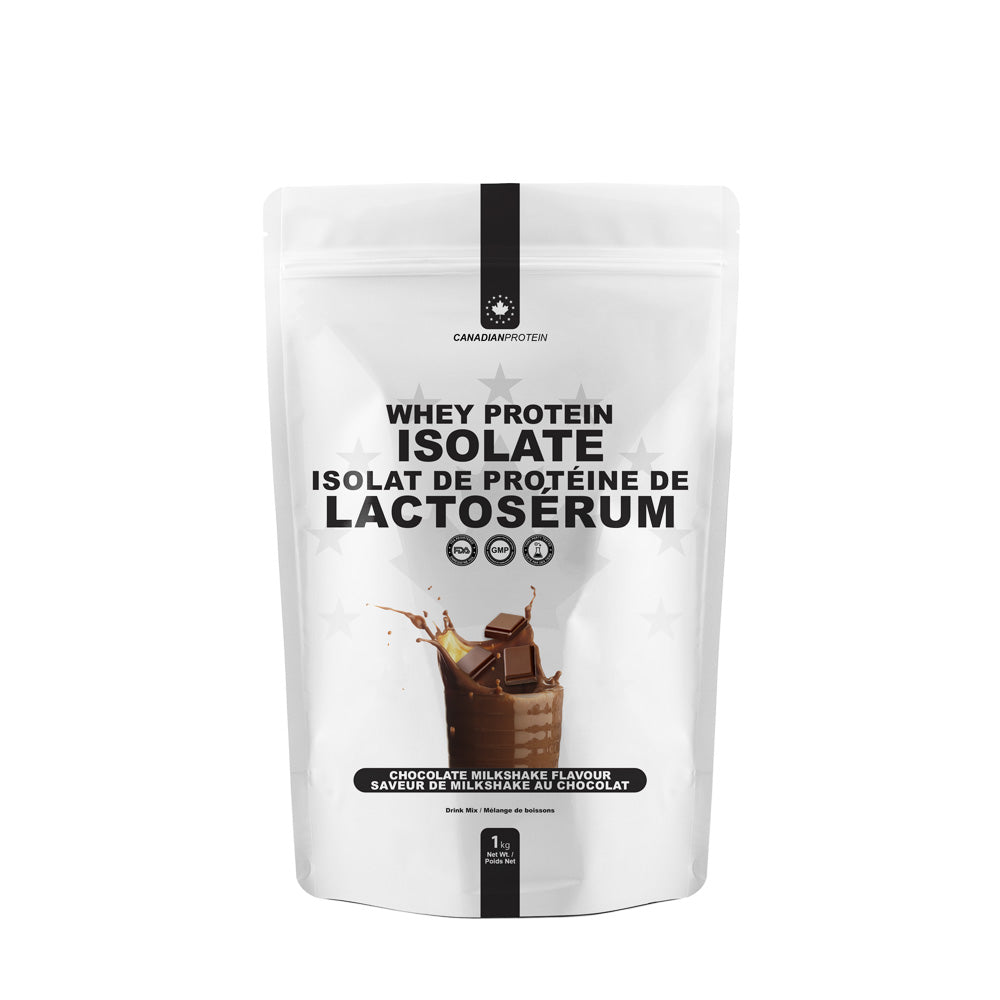
Isolate is filtered further than concentrate and shows half the sugars on the label, but it's still a milk product. Our guide Is Whey Protein Isolate Lactose-Free? walks through what the label can and can't tell you.
Which one to try first, based on what you suspect
Try Unflavoured & Unsweetened Whey Protein Isolate first. You keep whey's taste and mixability, with 27 g protein and 1 g sugars per 30 g scoop. If milk itself is the issue, skip to egg, beef or vegan.
Go unflavoured: none of the five above has sucralose, stevia or xanthan gum. Flavour it yourself with cocoa, cinnamon, fruit or coffee.
Beef Protein Isolate is a single ingredient with 29 g protein and no listed allergens, at $1.36 a serving (more in What Is Beef Protein Isolate?). Egg White Protein Powder (contains eggs) is another one-ingredient option. Vegan Protein brings 1 g of fibre per serving; plant proteins sit well with many people, but go slowly if pea or other legumes tend to give you gas.
Hydrolyzed Whey Protein is whey that's already partly broken down. It's still milk, with 2 g sugars per serving, and research on whether it means less bloating is thin.
Mixing habits to try before you switch powders
These cost nothing, so start here.
Mix one scoop in 400 to 500 ml. A thinner shake is easier to sip and sits lighter.
Try about 15 g of powder over 10 to 15 minutes, then the other half later in the day. If that feels fine, size is likely part of the problem.
Give it a minute after shaking so the bubbles drop, then sip rather than chug. Less air in, less air to deal with.
Test it cheaply: one change at a time
Change one thing per week. Start with the mixing habits for a few days, since they're free. If you're still bloated, switch powders and keep everything else the same: same liquid, same amount, same time of day.
Keep a two-line note on your phone each day: what you drank and how you felt two to three hours later. Pick the unflavoured version of whichever powder you switch to, so you're testing the protein and not the sweetener.
To keep the cost of testing down, Beef Protein Isolate has the lowest price per serving in the table: $1.36 in the 1 kg bag ($44.99, about 33 servings at the 30 g scoop). Egg White Protein Powder also comes in a 454 g bag (about 15 servings at the 30 g scoop, $59.99), which is less to commit to up front, but it works out to $4.00 a serving, the highest of anything here. It's the smallest bag, not the cheapest.
When it's not the shake: talk to your doctor
If bloating, cramps or changes in your bowel habits keep happening no matter which powder you use, or they come with pain, weight you're losing without trying or blood, stop guessing and see your doctor. A protein swap is for mild, shake-related discomfort, not ongoing symptoms.
Protein powder and bloating: quick answers
Is whey isolate easier to digest than concentrate?
For people sensitive to lactose, often yes: isolate is filtered further and ours lists 1 g sugars per 30 g serving versus 2 g for unflavoured concentrate. It still contains milk.
Does hydrolyzed whey cause less bloating?
Some people find it sits better, but the evidence is limited. Ours is still milk with 2 g sugars per serving, so for lactose, isolate or a milk-free powder is a more direct test.
Can sucralose or xanthan gum cause gas?
Some people report it. We don't know of solid research on the small amounts in one scoop, so try an unflavoured powder for a week and see.
Is plant protein easier on the stomach than whey?
It has no lactose, which helps if milk is the problem. Vegan Protein reviewers mention how it sits 42 times, almost all positively, though reviews are opinions rather than evidence; legumes like pea can still bother some people.
Why does protein powder make me gassy?
The usual reasons are lactose in whey, a large serving taken fast, swallowed air from gulping, too little liquid, or sweeteners and thickeners. Change one at a time to find yours.
Fix the habit first, then the powder
Try more liquid, a smaller serving and slower sipping for a few days. If you're still bloated, move to an unflavoured isolate for suspected lactose, or to egg, beef or vegan protein to drop milk entirely, and change one thing at a time so you know what made the difference.
Explore Whey Protein IsolateReferences & further reading
NIDDK (US National Institutes of Health): Symptoms and causes of lactose intolerance
Canadian Protein: Is Whey Protein Isolate Lactose-Free? What the Label Tells You
Canadian Protein: What Is Beef Protein Isolate? How It Compares With Whey and Pea
Canadian Protein: Naturally sweetened proteins
Disclaimer: This article is general information, not medical advice. If you have ongoing digestive symptoms, a food allergy, or take medication, talk to your doctor or pharmacist before changing your diet or supplements.