What Is Beef Protein Isolate? How It Compares With Whey and Pea
A dairy-free protein powder made from beef, with 29 g of protein and no carbs in a scoop. Here's what the label shows, where it trails whey, and who it actually suits.

Beef protein isolate is a protein powder made from beef instead of milk or plants. Ours has 29 g of protein, 0 g of carbohydrates and 0.5 g of fat in a 30 g scoop, one listed ingredient, and none of the listed allergens. That makes it a straight swap for people who avoid dairy. The catch is in the amino acids: it's high in glycine and proline and lower in leucine than whey or pea. Below we compare the labels side by side, explain what "grass-fed" does and doesn't tell you, and cover the taste, which reviewers are split on.
Beef protein isolate in one paragraph: dairy-free, near-pure protein from beef
Our Beef Protein Isolate comes in one version, Unflavoured & Unsweetened. A 30 g scoop gives you 115 calories and 29 g of protein, with no sugar, no fibre and no sweetener. Its page says it's high in protein, which helps build and repair body tissues, and build strong muscles.
What's in it, and what the label does and doesn't tell you
The only ingredient listed is beef protein isolate. There's no flavouring, sweetener or thickener on the label, and the "may contain" line lists nothing.
What the label doesn't tell you is how the powder was made or which parts of the animal it came from, so we won't guess. It also doesn't say how much of the protein is collagen. What it does give you is the full amino acid breakdown per scoop, and that's the most useful thing to compare.
The research on beef isolate is thin. In one small study presented at the International Society of Sports Nutrition conference, 30 resistance-trained young adults took two servings (46 g) of beef protein isolate, whey protein isolate or a carbohydrate placebo after training for 8 weeks. Both protein groups gained lean mass from baseline, and strength went up in all three groups with no difference between them. It was a short conference abstract with 10 people per group, so read it as encouraging, not settled.
How it compares with whey and pea isolate
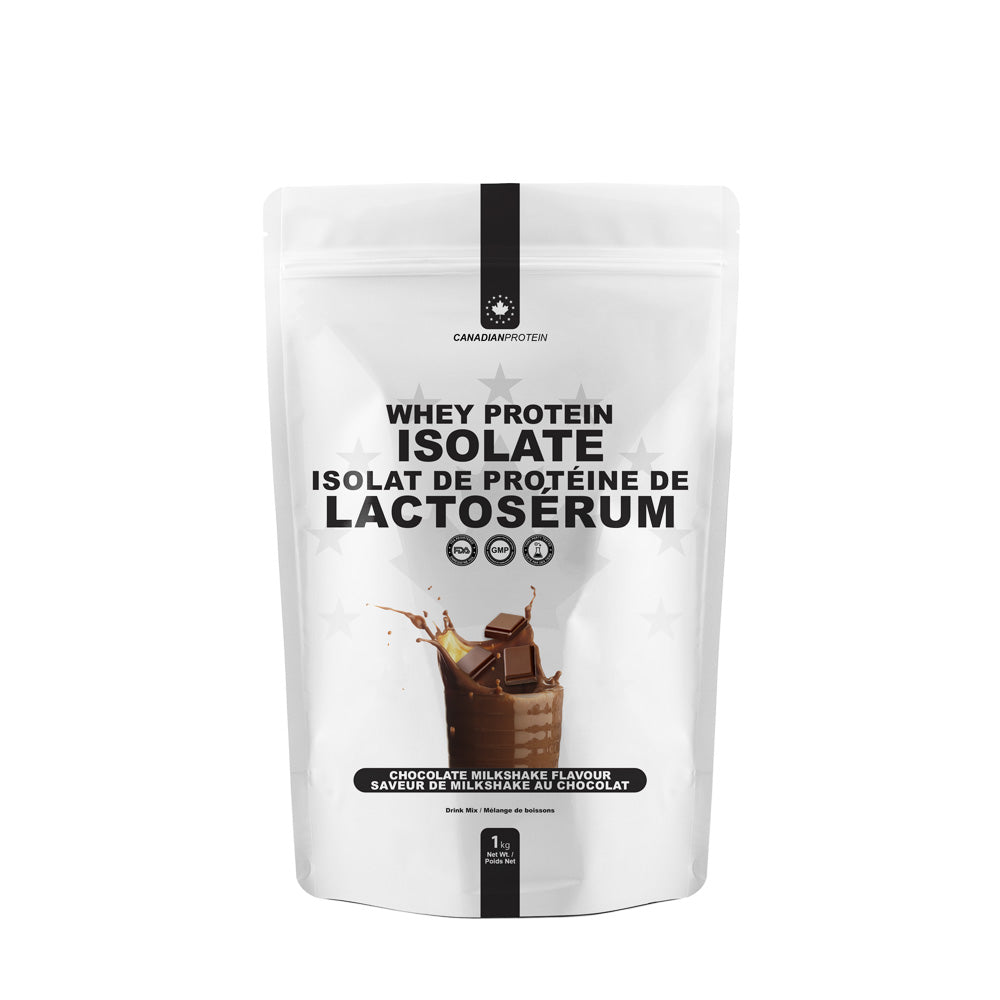
Here are the three unflavoured isolates we make, per 30 g scoop, straight from their labels.
| Per 30 g scoop | Beef Protein Isolate | Whey Protein Isolate | Pea Protein Isolate |
|---|---|---|---|
| Protein | 29 g | 27 g | 25 g |
| Calories | 115 kcal | 121 kcal | 120 kcal |
| Carbohydrates | 0 g | 1 g | 1 g |
| Fat | 0.5 g | 1 g | 2 g |
| Sodium | 359 mg | 45 mg | 309 mg |
| Leucine | 1.1 g | 3.3 g | 2.6 g |
| Glycine | 5.5 g | 0.6 g | 1 g |
| Ingredients | Beef protein isolate | Whey protein isolate, sunflower lecithin | Pea protein isolate |
| Allergens | None listed | Milk | None listed |
Beef wins on protein per scoop and carbs. Whey Protein Isolate has the most leucine and the least sodium but contains milk. Pea Protein Isolate is the dairy-free option with more leucine, at $1.51 a serving for 1 kg against beef's $1.36.
The amino acid catch: lots of glycine, less leucine
Look down our label and the biggest numbers are glycine (5.5 g), proline (3.3 g), glutamic acid (3.1 g) and alanine (2.5 g). Leucine sits at 1.1 g, a third of whey's 3.3 g.
Leucine matters because it's tied to muscle building. A 2015 meta-analysis in the British Journal of Nutrition found that adding leucine raised muscle protein synthesis rates in older adults compared with control, though the authors note leucine's effects are complex and it didn't translate into clear lean mass gains in those studies.
In practice, a lower-leucine scoop is easy to work around:
Stir a scoop into oatmeal or Greek yogurt, or have your shake with eggs, meat or fish, so the meal fills in the leucine.
Your total protein across the day does most of the work. One scoop is 29 g toward it, whatever its leucine.
If you eat dairy some days, rotating with whey or pea gives you a higher-leucine option when you want it.
What "grass-fed" means on a protein label, and what to check
"Grass-fed" describes how the animal was raised: what it ate. It isn't a measure of how much protein is in a scoop or how good that protein is. The protein, leucine and sodium figures on the label are where you compare powders.
If grass-fed matters to you, look for the claim on the product's own label or page, and don't assume it from a picture of a field. Our Beef Protein Isolate's product facts make no grass-fed or country-of-origin claim, so we don't make one here either.
Judge any protein powder by its label: protein per scoop, ingredients, allergens and the amino acid panel. Claims about the animal or the farm are worth checking, but they don't change those numbers.
Taste and mixing: what to expect
Be ready for this one. Across 292 reviews averaging 4.1 stars, taste comes up 120 times, and it's an even split: 48 positive, 51 negative, 21 mixed. One reviewer compared it to "cold bone broth". Mixing does better, with 34 positive mentions to 25 negative, and several people say it dissolves fast; one wrote that it "turns clear brown within a minute". Value got 32 mentions, every one of them positive.
1 scoop (30 g) in 250 to 500 ml of water or another liquid, mixed well. Drink it within 30 minutes.
Cold liquid and a shaker bottle. More liquid tones the flavour down.
Blend it into a fruit smoothie, stir it into morning oatmeal, or mix it into Greek yogurt (if you eat dairy), as reviewers do.
For more ways to use unflavoured powder in food, see our guide to cooking and baking with protein powder.
Who it suits, and who can skip it
It suits you if you avoid dairy but want an animal protein, want zero carbs and zero sugar in your shake, or like a powder with a single ingredient on the label.
You can skip it if whey sits fine with you (it has three times the leucine and a fraction of the sodium), you're keeping an eye on sodium at 359 mg a scoop, or you want something sweet and flavoured to drink on its own. Plenty of people don't need a protein powder at all if they're already hitting their protein from food.
Building out the rest of your routine? Our post on what pairs with your protein keeps it simple.
Try beef protein isolate
One unflavoured, unsweetened powder for people who want an animal protein without dairy.
 Dairy-free animal protein
Beef Protein Isolate
One ingredient, 29 g of protein per 30 g scoop.
View Beef Protein IsolateProduct sizes and availability may vary.
Beef protein isolate FAQ
Is beef protein isolate as good as whey?
It has more protein per 30 g scoop (29 g against 27 g) but much less leucine (1.1 g against 3.3 g). One small 8-week study found similar lean mass gains with either, but it was a short conference abstract, so the honest answer is that the evidence is limited.
Is beef protein isolate dairy-free and lactose-free?
Ours lists one ingredient, beef protein isolate, and contains none of the listed allergens, milk included. The "may contain" line lists nothing.
Is beef protein isolate just collagen?
The label doesn't say how much of the protein is collagen, so we can't tell you. It does show glycine (5.5 g) and proline (3.3 g) as two of the largest amino acids per scoop, with leucine lower at 1.1 g.
Does beef protein isolate taste like beef?
Reviewers are split almost down the middle: some find it mild, others say it tastes broth-like. Mixing it into a smoothie or oatmeal is the most common fix.
How much sodium is in beef protein isolate?
Our Unflavoured & Unsweetened version has 359 mg per 30 g scoop. That's more than our pea isolate (309 mg) and far more than our whey isolate (45 mg).
A dairy-free protein that does one job
If dairy's out and you want 29 g of protein with nothing else in the scoop, Beef Protein Isolate is worth a try. A 1 kg bag gives you about 33 servings at $44.99, or $1.36 a serving, and we make it in Windsor, Ontario. Subscribing lowers the price, and every order earns C-Points.
Explore Beef Protein IsolateReferences & further reading
Disclaimer: This post is general information, not medical advice. If you have a health condition, take medication, or are pregnant or breastfeeding, ask your doctor or pharmacist before adding a supplement.