Is Protein Powder Good for Bodybuilding? Where Shakes Fit in a Muscle-Building Program
Protein powder won't build muscle by itself, but it can close the gap that holds your bulk back. Here's how much protein you need, how to spread it out and where a shake fits.

Short answer: yes, protein powder can help with bodybuilding, but not because there's anything special in the tub. A shake is a convenient, easy-to-measure source of protein. It helps when it closes the gap between what you eat and what your training needs, and it does very little if you already hit your daily protein from food. If you're starting a winter bulk or hypertrophy block, here's where shakes actually fit.
What protein powder does (and doesn't do) for muscle gain
Muscle grows when hard training gives your body a reason to build and your diet gives it the materials. Protein supplies the amino acids for that repair and growth. Your body doesn't care whether those amino acids came from chicken, Greek yogurt or a scoop of whey. What matters most is how much protein you get across the whole day.
The research backs this up. A 2018 meta-analysis in the British Journal of Sports Medicine pooled 49 trials and found that protein supplementation added to resistance training gave modest extra gains in muscle size and strength. It also found a plateau: past roughly 1.6 g of protein per kilogram of body weight per day, more protein gave little further benefit for most people.
So protein powder isn't a muscle builder by itself. It's food in a convenient form. The lifting does the building; the shake just makes it easier to get enough protein to support it.
How much protein a lifter needs
The International Society of Sports Nutrition (ISSN) position stand on protein and exercise recommends 1.4 to 2.0 g of protein per kilogram of body weight per day for most people who exercise. That range is enough to build and maintain muscle for the vast majority of lifters.
Here's how that works out for an 80 kg (about 176 lb) lifter:
- Low end (1.4 g/kg): 112 g of protein a day
- Middle (1.6 g/kg): 128 g a day
- High end (2.0 g/kg): 160 g a day
Now add up a typical day of meals. Lots of lifters land somewhere around 90 to 110 g from food without really trying, which leaves a gap of 20 to 40 g. One shake covers that gap neatly.
Work out your daily target first, then see how close your regular meals get you. If food already covers it, a shake is optional. If you're short, a shake is one of the easiest ways to make up the difference.
Spreading protein across the day
After the daily total, the next thing to get right is how you spread it out. A 2018 review in the Journal of the International Society of Sports Nutrition suggests aiming for about 0.4 g/kg per meal across at least four meals. For our 80 kg lifter, that's roughly 32 g per meal, which adds up to about 128 g over four meals.
A simple training-day layout might look like this:
Eggs, Greek yogurt or oats made with milk, aiming for about 30 g of protein to start the day.
A meal or a shake within a couple of hours either side of your session. The ISSN notes that the total for the day matters more than the exact minute, so there's no need to sprint to the shaker.
A proper meal built around a protein source like chicken, fish, beef, tofu or lentils.
The ISSN position stand notes that 30 to 40 g of casein before sleep can support muscle protein synthesis overnight. Cottage cheese works too.
You don't need to follow this exactly. The point is to avoid eating most of your protein in one big dinner and having very little the rest of the day.
Choosing a powder for a muscle-building phase
Every powder below does the same basic job. The right one comes down to your digestion, your schedule and how easily you eat enough.
Whey isolate or concentrate
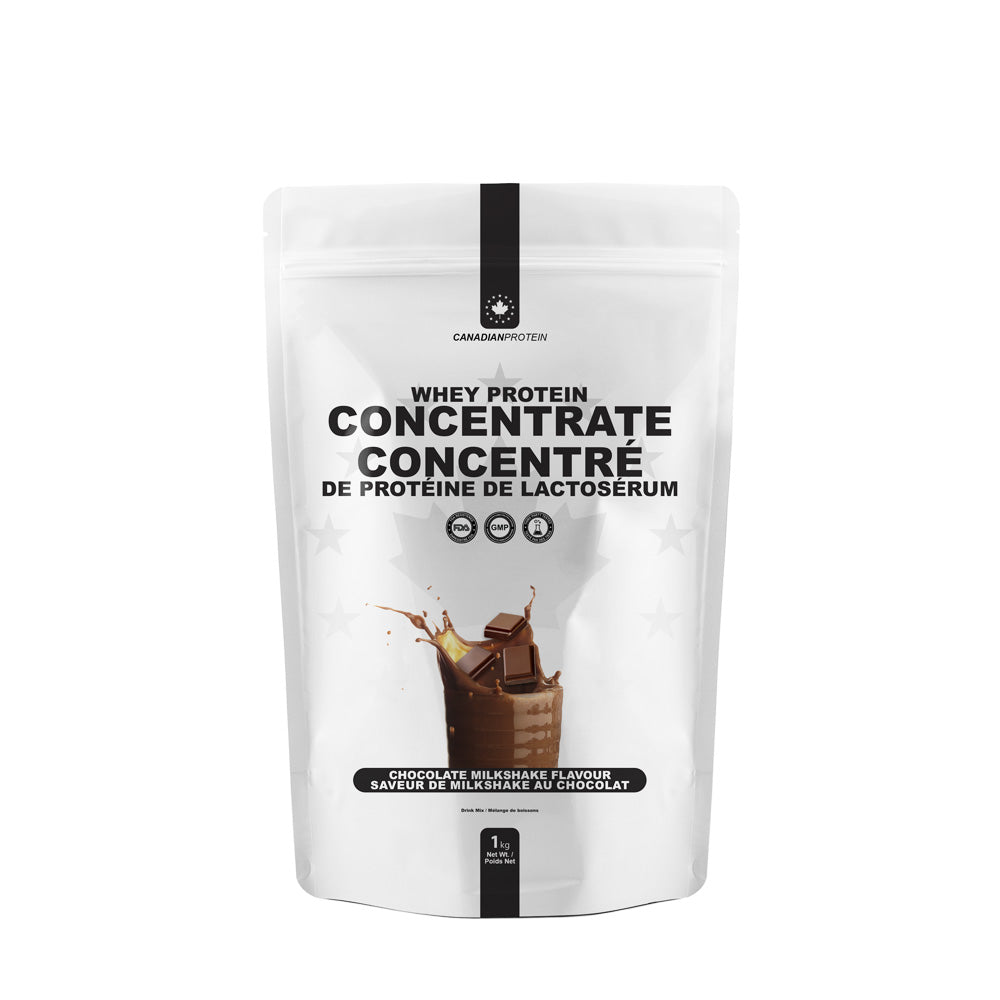
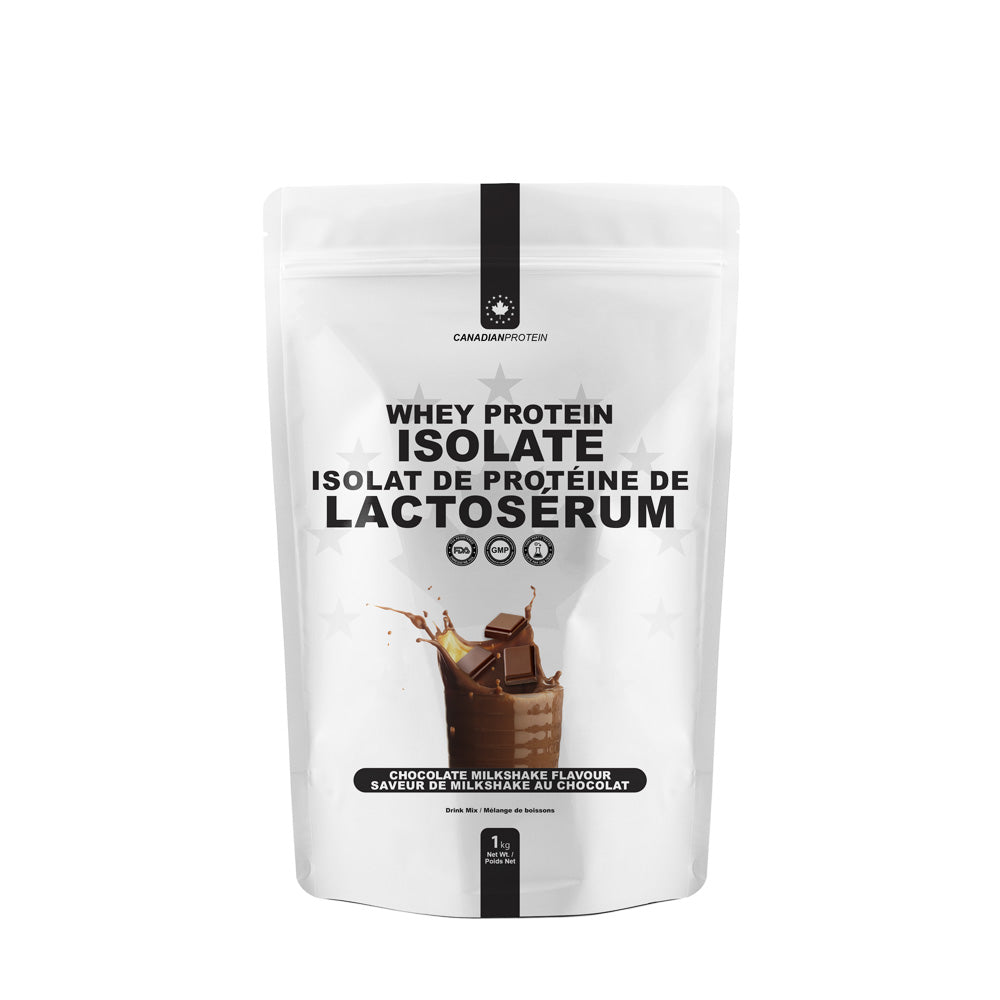
Whey is digested quickly, which makes it handy around training. Isolate is filtered further than concentrate, so as a category it tends to be higher in protein per gram with less lactose and fat. That suits lifters who are sensitive to dairy or tracking macros closely. Concentrate is a little less processed and usually easier on the budget. Compare Whey Protein Isolate and Whey Protein Concentrate, and check the nutrition panel on each for exact numbers.
Casein for long gaps and bedtime
Casein digests more slowly than whey, so it's a common pick before bed or when you know you'll go a long stretch between meals. Micellar Casein is our option for that slot.
Vegan options for dairy-free lifters
If you don't eat dairy, a plant-based blend fills the same role. Vegan Protein is built for lifters who want a shake without whey.
Mass gainer for hard gainers
If your problem is calories rather than protein, because you're full by mid-afternoon and the scale won't move, a gainer adds carbohydrates and calories along with protein. Mass Gainer makes sense for that lifter. If you gain weight easily, a regular protein shake plus normal meals is usually the better fit.
Shakes are the smallest lever
Protein powder is the easy part. These three things decide most of your results during a bulk:
Progressive overload is the main signal for growth. Log your lifts and try to beat last week, whether that's one more rep or a little more weight.
Building tissue takes energy. A modest surplus helps you gain muscle without piling on more fat than you need to. If the scale hasn't moved in a few weeks, eat a bit more.
Recovery happens between sessions. Consistent, sufficient sleep helps you train hard again and keeps the whole program on track.
Where creatine fits alongside protein
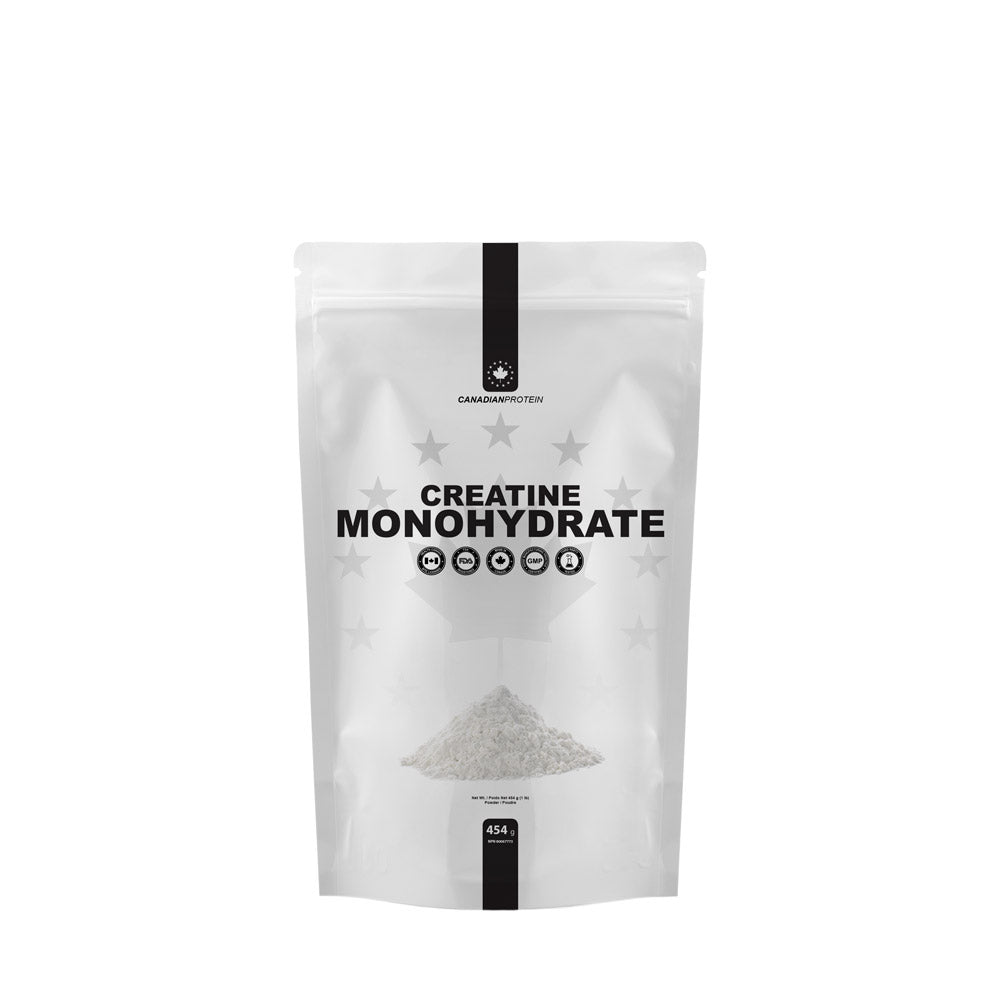
If you're adding one more supplement to a hypertrophy block, creatine is the one with the most research behind it. The ISSN position stand on creatine describes creatine monohydrate as the most effective ergogenic nutritional supplement currently available for increasing high-intensity exercise capacity and lean body mass during training. It does a different job from protein, so the two work well together. Creatine Monohydrate can go straight into your shake. Follow the serving directions on the label.
Protein powder and bodybuilding: FAQ
Do I need protein powder to build muscle?
No. You can build muscle on food alone if you hit your daily protein target. Powder is just a convenient way to get there when meals fall short.
Is it better to drink a shake right after training?
It's a good habit, but not essential. Research suggests your total protein for the day matters most, and having protein within a couple of hours either side of training is plenty.
Can I have more than one shake a day?
Yes, if it fits your daily target. Most lifters do best getting the bulk of their protein from whole foods and using one or two shakes to top up.
Whey or casein for bulking?
Both work. Whey digests quickly and suits the hours around training. Casein digests more slowly and suits bedtime or long gaps between meals. Plenty of lifters use both.
Will protein powder make me gain fat?
Not on its own. Fat gain comes from eating more total calories than you need. A shake counts toward your calories like any other food, so include it when you plan your surplus.
Build your protein around food, then fill the gap
Set your daily protein target, spread it over four or more meals, and let a shake cover whatever your meals miss. Train hard, eat a little more than you burn, and sleep well. If you want a simple, high-protein shake for the hours around training, start here.
Explore Whey Protein IsolateReferences & further reading
Disclaimer: This article is for general information and isn't medical advice. If you have a health condition, are pregnant or take medication, check with a health professional before changing your diet or adding supplements.