Ski Legs in Six Weeks: Dryland Strength and Recovery Before Opening Day
Burning quads on your first run don't have to be a given. Here's a simple six-week dryland plan, plus how to recover and fuel so your legs last all day on the hill.

Opening day is only a few weeks away. If your first runs last season ended with burning quads, shaky knees and a long break at the lodge by 11 a.m., that wasn't bad luck. It was a strength and endurance gap, and six weeks of focused dryland work is enough to close a good part of it.
Why skiing is so hard on your legs
Skiing and riding ask things of your legs that most gym routines don't:
- Long eccentric work. Your quads spend most of a run controlling a lowering movement and absorbing terrain.
- Single-leg balance. Every turn loads one leg more than the other, often on uneven snow.
- Quick side-to-side changes. Linking turns and moguls call for lateral power and fast reactions.
- A core that holds it together. Your trunk keeps your upper body quiet while your legs work underneath it.
A good dryland training program, the kind ski clubs run every fall, trains each of these on purpose. The plan below scales that idea down for recreational skiers and riders.
The six-week dryland block at a glance
Train two or three times a week on non-consecutive days. Each session takes 40 to 50 minutes: a short warm-up, then one or two exercises from each of the four groups below.
Two to three sessions a week, with at least one easy day between them.
Two to three sets of 10–12 reps per side at bodyweight or light load. Focus on control and balance. Rest about 60 seconds between sets.
Three to four sets of 8–10 reps, adding dumbbells or slowing the tempo. Rest 60–90 seconds.
Keep two strength moves, then add jumps and ski-length intervals of 40–90 seconds. Rest as long as the work interval, or longer.
Add a set, a little weight or a few seconds of work each week, only when the last session felt controlled. Ease off by about a third in the final few days before your first ski day.
Single-leg strength
Single-leg work builds the strength and balance that keep your knee tracking over your foot in a turn.
- Split squats: rear foot back, lower slowly until the back knee nearly touches the floor. Progress to rear-foot-elevated split squats.
- Step-downs: stand on a step and slowly lower the other heel to the floor, keeping the standing knee in line with your toes.
- Single-leg Romanian deadlifts: hinge at the hip on one leg to train hamstrings, glutes and ankle stability.
- Lateral lunges with gliding discs: slide one foot out to the side and pull it back in. Gliding Discs (Set of 2) make this feel a lot like pushing against an edge.
Lateral power and agility
This is where dryland starts to feel like skiing. Save the jumping for weeks 3 to 6, once your base is solid.
- Skater bounds: leap side to side, landing softly on one leg and holding for a beat.
- Lateral hops: quick two-footed hops over a line or low object, staying light on the balls of your feet.
- Banded lateral walks: a band from a set of Mini Loop Bands around your knees or ankles wakes up the glutes that steer your knees.
- Ski-length intervals: 40–90 seconds of continuous hops, bounds or wall-sit pulses, matching the length of a real run, as suggested in this dryland ski workout program.
Eccentric and isometric work
Long runs burn because your quads hold and lower for minutes at a time. Train that directly:
- Slow tempo squats: take three to five seconds to lower, then stand up normally.
- Wall sits: hold a ski-like crouch, building from 30 seconds toward 90.
- Nordic-style lowering: kneel with your ankles anchored and lower your body forward as slowly as you can, catching yourself with your hands.
Eccentric control is what lets you ski the last run of the day with the same form as the first.
Core and hips
Finish each session with five to ten minutes of trunk work:
- Anti-rotation holds: press a band straight out from your chest and resist it pulling you sideways.
- Side planks: 20–45 seconds a side, with a top-leg lift for extra hip work.
- Dead bugs: slow, opposite arm and leg, with your lower back pressed down.
- Stability-ball work: stir-the-pots, ball hamstring curls or kneeling balance on a Yoga Ball.
Recovery between sessions
Strength is built between workouts, not during them. Three habits matter most:
Aim for a regular bedtime and seven to nine hours, especially on training days.
Walk, cycle gently or stretch between sessions instead of adding more hard work.
Small weekly increases beat one huge session that leaves you sore for days.
Normal muscle soreness fades within a few days. Sharp pain, swelling or pain that changes how you move is different: stop that exercise and check in with a physiotherapist or doctor before you carry on.
Fuelling for training and the first big days on the hill
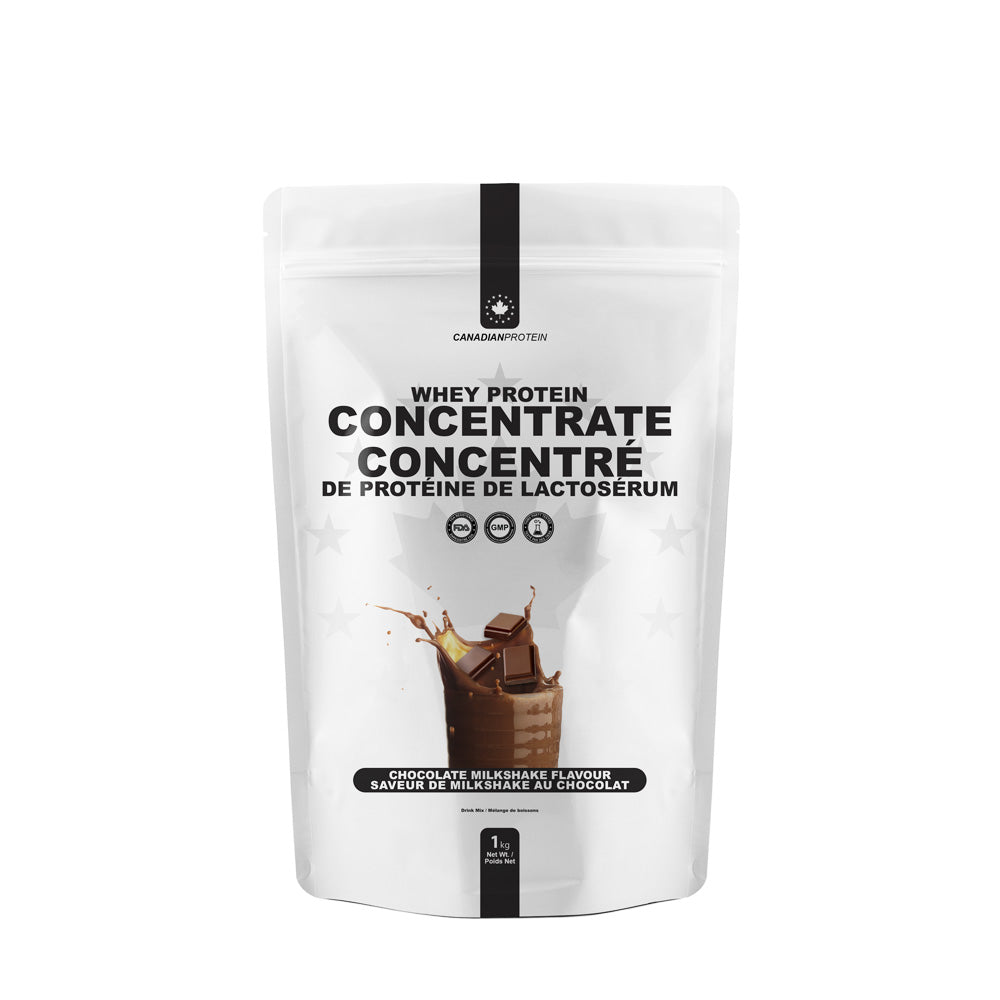
Spread your protein through the day. The International Society of Sports Nutrition's position stand on protein and exercise suggests most active people do well with roughly 1.4–2.0 g of protein per kilogram of body weight a day, split into doses of about 20–40 g every three to four hours. A shake of Whey Protein Isolate after a dryland session or at the end of a ski day is an easy way to get one of those doses in.
Bring carbs on long days. Eat a real breakfast, pack snacks for the lift line, and if you like a drink you can sip, Highly Branched Cyclic Dextrin (Cluster Dextrin) mixed in a bottle is a simple option.
Drink even when you're cold. Cold, dry mountain air and heavy breathing at altitude dry you out, and you feel less thirsty in the cold. Drink water at breakfast, at every lodge stop and after you ski.
Consider creatine for repeated efforts. The ISSN's position stand on creatine describes it as one of the most studied supplements for repeated high-intensity efforts, with 3–5 g a day enough to maintain stores. Creatine Monohydrate stirred into your daily shake or water is the simplest way to take it during your dryland block. For the chairlift, grab a Signature Toque.
Fuel your dryland block
Two simple staples to back up your training and your first long days on the mountain.
 Post-session shake
Whey Protein Isolate
An easy way to get a protein dose in after dryland work or a day of skiing.
View Whey Protein Isolate Daily staple
Creatine Monohydrate
A daily scoop to support repeated hard efforts through your training block.
View Creatine MonohydrateProduct sizes and availability may vary.
Dryland ski training FAQ
Is six weeks enough?
Six weeks won't make you a racer, but two to three steady sessions a week builds enough strength and endurance to feel a real difference on your first days out.
Can I do this at home with little equipment?
Yes. Most of the plan uses bodyweight. Gliding discs, mini loop bands, a stability ball and a pair of dumbbells cover everything else.
Should I train the day before skiing?
Keep it light. Skip hard leg work and jumps the day before a ski day; a short mobility session or easy walk is plenty.
Does creatine help skiers?
Research summarised by the ISSN shows creatine supports repeated short, hard efforts, which is what turns and moguls ask for. It works alongside training, not instead of it.
How much protein do I need while training?
The ISSN suggests about 1.4–2.0 g per kilogram of body weight a day for active people, spread over three or more meals or shakes.
Build your legs now, enjoy the hill later
Pick your training days, start this week, and back every session with sleep, water and enough protein. A post-workout shake makes that last part easy.
Explore Whey Protein IsolateReferences & further reading
Unofficial Networks — Prepare your body for ski season with this dryland ski workout program
Boler Mountain — Racing program dryland training
Disclaimer: This article is for general information only and isn't medical advice. Talk to your doctor or a qualified professional before starting a new exercise program or supplement, especially if you have an injury or medical condition.