What Is an NPN Number on Supplements, and How Do You Check One?
That eight-digit NPN on a supplement label means Health Canada reviewed the product's ingredients, dose and claims. Here's what it does and doesn't tell you, why your protein powder doesn't have one, and how to check any NPN in about two minutes.

An NPN (Natural Product Number) is the eight-digit number Health Canada gives a natural health product once it's licensed for sale. It means Health Canada reviewed the product's medicinal ingredients, amounts, dose, directions, recommended uses and cautions before it could be sold. It doesn't rank quality, and it doesn't mean Health Canada tested the jar in your cupboard. Below: what the number tells you, why your protein powder almost certainly doesn't have one, how to read a label next to its licence, and how to look up any NPN yourself.
What an NPN number actually tells you
In Canada, vitamins, minerals, amino acids like creatine, herbal products and similar items are regulated as natural health products. Before one can be sold, the company applies for a product licence and Health Canada assesses it for safety, efficacy and quality. When it's approved, the product gets its eight-digit NPN, which goes on the label.
A licence locks in the details that matter to you as a label-reader:
- Medicinal ingredients and how much of each is in a dose (for example, 5 g of creatine monohydrate per scoop).
- The recommended use, often called the claim: what the product is allowed to say it does.
- Dose and directions: who it's for, how much, how often, and for how long.
- Cautions and warnings that have to appear on the label.
You'll also see two cousins of the NPN. A DIN-HM is the equivalent number for homeopathic medicines. A DIN (Drug Identification Number) is for drugs, prescription and over the counter, which go through a different process.
What an NPN doesn't tell you
An NPN is a licence, not a report card. Here's what it can't promise:
- It's not a quality ranking. Two creatine products with NPNs aren't graded against each other. The number says each met the bar, not which cleared it by more.
- It's not a promise it works for you. The licensed claim describes what the evidence supports in general, under the stated conditions (like "with a resistance training regimen"). Individual results vary, and we don't know how any one person will respond.
- It's not batch testing by Health Canada. Licensing reviews the product's evidence and the company's quality standards. Health Canada doesn't test every batch before it ships, so the company remains responsible for making each one match the licence.
An NPN tells you the product is licensed and that its ingredients, dose and claims were reviewed. Treat it as the minimum bar for a supplement, then read the label for the rest: dose, non-medicinal ingredients, allergens and price per serving.
Why your protein powder probably doesn't have one
Most protein powders are sold in Canada as foods, not natural health products. So they carry what any packaged food carries: a Nutrition Facts table, a food-style ingredient list and an allergen statement. There's no NPN because there's no product licence to number.
A supplement label looks different. Instead of Nutrition Facts, you'll see Medicinal Ingredients with an amount per dose, then Non-Medicinal Ingredients, a recommended use, directions and cautions.
There's a third format worth knowing. Foods with added vitamins, minerals, amino acids or caffeine (some energy drinks and fortified bars, for example) are supplemented foods. They use a Supplemented Food Facts table and, under Health Canada's rules, carry a caution identifier on the front. They're foods too, so no NPN.
How to read a supplement label next to its licence
Here's the difference side by side, using two of our own labels.
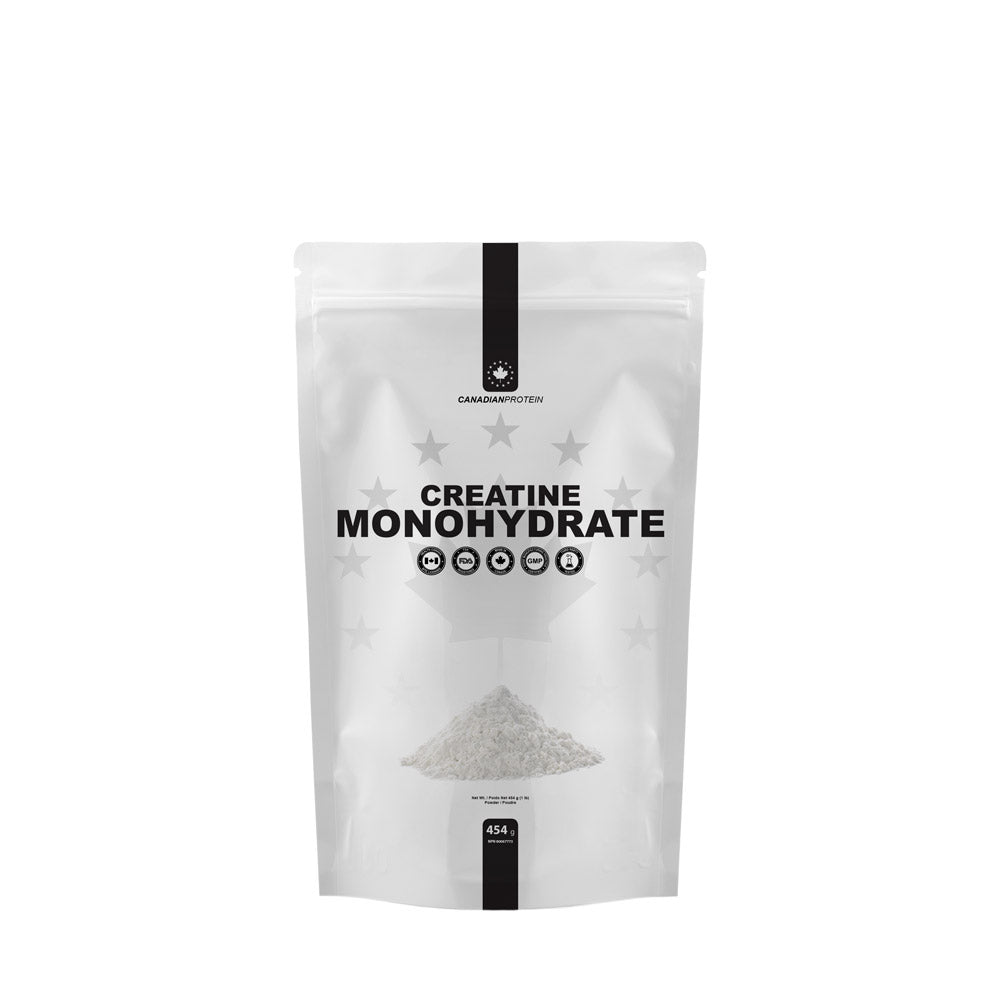
Creatine Monohydrate lists one medicinal ingredient: Creatine Monohydrate (N-(Aminoiminomethyl)-N-methylglycine Monohydrate), 5 g. Directions: adults, 1 scoop (5 g) once a day, mixed in 1 to 2 cups of liquid just before you drink it, for a minimum of 4 weeks.
Its page words the uses the way licensed claims are worded: it "increases muscle mass when used in conjunction with a resistance training regimen" and "helps increase physical performance during intensive exercise". Notice the condition built into the first one.
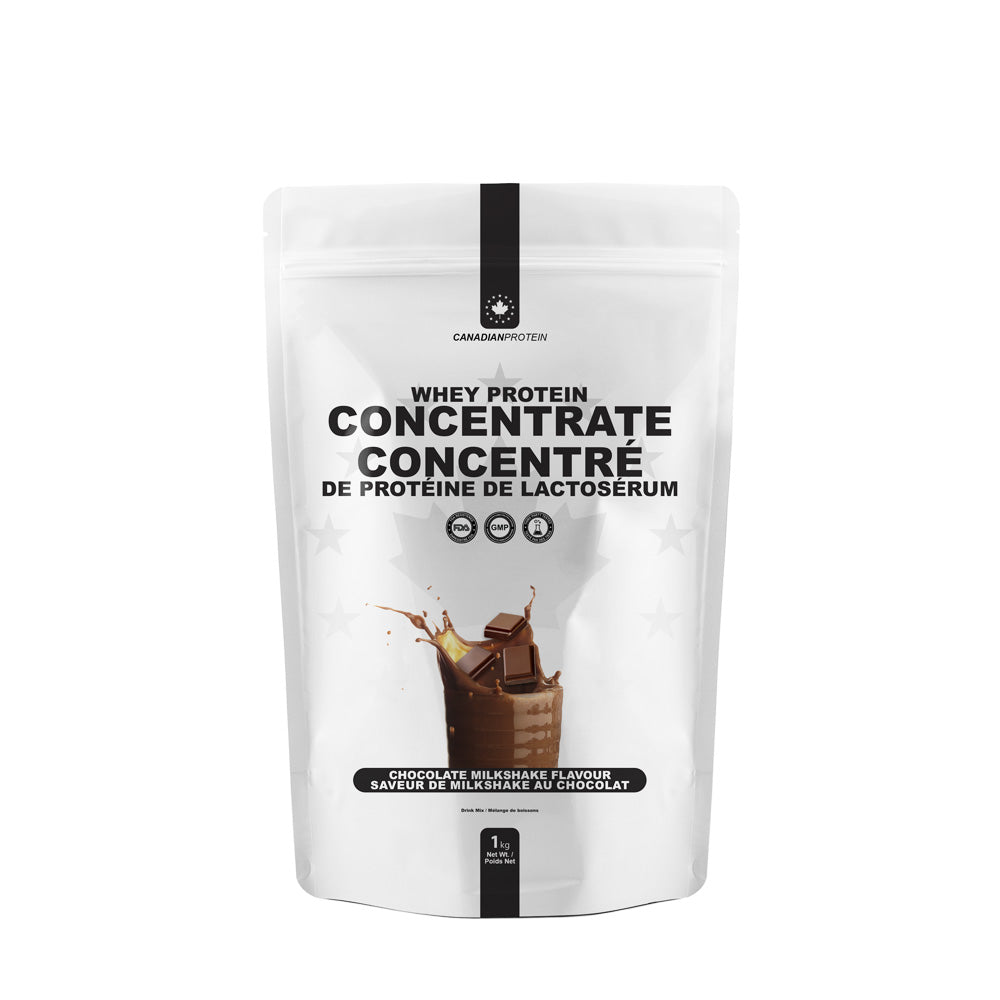
Whey Protein Concentrate, Unflavoured & Unsweetened, shows a Nutrition Facts table: per 30 g serving, 127 calories, 24 g protein, 2 g carbohydrates and 2 g fat. Ingredients: whey protein concentrate, sunflower lecithin. Contains milk. No medicinal ingredients, no NPN.
When you look up a supplement's licence, the medicinal ingredients, amount per dose, directions and recommended use on the record should match what's printed on the label in your hand.
How to look up an NPN in Health Canada's database
Health Canada keeps every licence in the free Licensed Natural Health Products Database (LNHPD). It takes about two minutes.
Look on the label for "NPN" followed by eight numbers. It's often on the front near the product name; if not, check the side panel near the ingredients.
Open the LNHPD and enter the number in the product licence number field. You can also search by product or company name, but the number is the most precise.
Check the medicinal ingredients and amounts, the recommended use, the dose and the cautions. If the record lists a different amount or claim than the label, ask the company why.
If the number doesn't turn up, check you've typed all eight digits, then try searching by product name. A licence can also be cancelled or changed over time, and the record shows its status.
How our supplement labels are laid out
Our supplements are labelled in the natural health product format, with medicinal and non-medicinal ingredients listed separately. A few examples from the labels:
- (Creapure®) Creatine Monohydrate: creatine monohydrate, 5 g per dose, same directions as our standard creatine (5 g once a day, for at least 4 weeks).
- Magnesium Glycinate: Magnesium (Magnesium bisglycinate) 500 mg per capsule; non-medicinal ingredients hypromellose and cellulose; adults 19 and older, one capsule a day.
- Magnesium Citrate: Magnesium (Magnesium citrate) 200 mg per capsule; non-medicinal ingredients hypromellose and brown rice flour.
- Vitamin D3: Vitamin D3 (Cholecalciferol) 1000 IU (25 mcg) per softgel; non-medicinal ingredients gelatin, glycerin, medium chain triglycerides and olive oil.
On value, since you'll be reading the label anyway: our Creatine Monohydrate works out to about $0.44 a serving in the 454 g bag ($39.99, about 90 servings at 5 g) and about $0.30 a serving in the 1 kg bag ($59.99, about 200 servings).
When you look up any supplement, use the NPN printed on the container in your hand, not one copied from a website or an older package. Labels get updated, and the number on the container is the one that matches what's inside it. Questions about one of our labels? Ask our team in chat.
NPN questions people ask
Is an NPN the same as a DIN?
No. An NPN is for licensed natural health products like vitamins, minerals and creatine. A DIN is for drugs, prescription or over the counter, and a DIN-HM is for homeopathic medicines.
Does a product with an NPN work?
An NPN means Health Canada reviewed the evidence for the specific claims on the label, under the stated conditions and dose. It doesn't promise the same result for everyone, so read the recommended use closely and take it as directed.
Does protein powder need an NPN in Canada?
Usually not. Most protein powders are sold as foods and carry a Nutrition Facts table instead. Products sold as natural health products, with medicinal ingredients and health claims, are the ones that need a licence.
Is it legal to sell a supplement without an NPN?
Health Canada requires natural health products to be licensed before they're sold in Canada. If a product presents itself as a supplement with a recommended dose and health claims but shows no NPN or DIN-HM, search the database and ask the seller.
Where is the NPN on the bottle?
Look for "NPN" followed by eight digits. It's commonly on the front panel near the product name, and otherwise on the side near the ingredients.
Check the number, then read the rest of the label
An NPN tells you a supplement is licensed and that its ingredients, dose and claims were reviewed. Look it up, make sure the record matches the label, then compare what's left: dose, non-medicinal ingredients and price per serving. If you're putting a routine together, our guide to building a simple supplement stack for strength training covers what pairs with your protein.
Explore our full rangeReferences & further reading
Health Canada: Natural and non-prescription health products, how they're regulated and licensed
Health Canada: Licensed Natural Health Products Database (LNHPD), search any NPN
Health Canada: Supplemented foods, labelling and the caution identifier
Disclaimer: This article is general information, not medical advice. If you take medication, have a health condition, or are pregnant or breastfeeding, ask your doctor or pharmacist before starting any supplement.